


Views: 0 Author: Site Editor Publish Time: 2026-01-22 Origin: Site


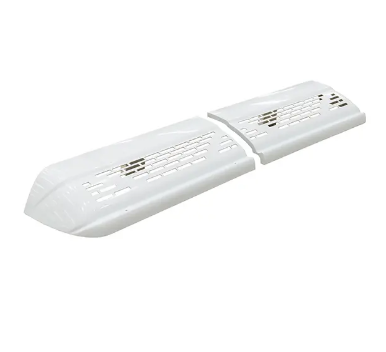
Fiberglass molding is a popular process for creating strong, lightweight parts. It's used in industries such as automotive, marine, and industrial design. The technique involves layering fiberglass and resin to form durable molds. In this article, we’ll explore the step-by-step process of fiberglass molding. You’ll learn how to prepare, construct, finish, and ensure safety during the molding process.
Fiberglass molding is a composite fabrication technique used to create parts by laying down fiberglass fabric or chopped strand mat and applying resin over a mold surface. The resin bonds the fibers together to form a rigid structure, which hardens and becomes the final piece. This method is versatile and can be used to produce a variety of components, from car body panels to boat hulls. The process typically involves several phases: preparing the plug (master model), laying down fiberglass, curing the mold, and finishing the part for use.
Fiberglass molding is a versatile and efficient method of producing durable, lightweight parts. The combination of fiberglass and resin provides excellent resistance to environmental stress while being cost-effective. With the ability to create complex shapes and structures, fiberglass molding is especially beneficial in high-performance sectors like aerospace, automotive, and marine industries. The following table outlines the key technical advantages and considerations of fiberglass molding for manufacturers.
| Advantage | Explanation | Technical Specifications | Application Considerations |
|---|---|---|---|
| Corrosion Resistance | Fiberglass molds resist corrosion from water, saltwater, and chemicals, making them ideal for marine and chemical industries. | Corrosion resistance level: Suitable for marine and chemical environments | Ensure high-quality resin selection to enhance corrosion resistance, especially for long-term exposure to water or chemicals. |
| Lightweight | Fiberglass molds are lighter than metal molds, reducing the weight load during transport and operations, thereby lowering overall production costs. | Density: 1.5-2.0 g/cm³ | Suitable for industries with strict weight requirements, such as aerospace and racing. The lightweight nature enhances overall operational efficiency. |
| High Strength | Even with reduced weight, fiberglass still provides excellent structural strength, ensuring part stability and safety. | Tensile Strength: 500-800 MPa | Ideal for parts that require high strength and load-bearing capacity, ensuring optimal strength balance with proper mold thickness control. |
| High-Performance Adaptability | Fiberglass molds maintain performance under high temperatures, heavy loads, and extreme conditions, making them ideal for high-performance applications. | Operating Temperature: 150°C-200°C (depending on resin type) | Suitable for aerospace, automotive, and marine applications where high-temperature performance is crucial. Ensure appropriate resin selection for enhanced heat resistance. |
| Complex Structure Capability | Fiberglass molds can easily create complex shapes and structures, including intricate curves and nested designs, providing high flexibility. | Maximum Complexity: Complex surfaces, angles, and recesses | Ensure the mold design supports smooth demolding, as intricate shapes and high-precision requirements may increase production difficulty and demand careful design accuracy. |
| Cost-Effectiveness | Fiberglass molds are relatively inexpensive to manufacture, making them ideal for high-volume production and significantly reducing overall production costs. | Unit Cost: Typically 50%-70% cheaper than metal molds | Ideal for large-scale production, significantly lowering per-unit costs while maintaining part quality. Careful material and process selection is crucial for optimal cost-efficiency. |
Fiberglass molding is used across a wide range of industries due to its versatility. In automotive manufacturing, fiberglass parts are used for bumpers, body panels, and underbody components. In the boating industry, it is used to mold boat hulls, decks, and other structural elements. Industrial applications also include parts for machinery, containers, and enclosures. Its ability to be molded into virtually any shape makes fiberglass molding a preferred choice for manufacturers looking to produce high-quality, durable, and lightweight products.
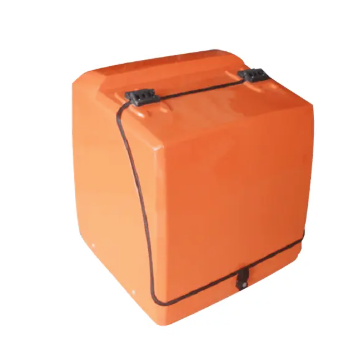
The first step in the fiberglass molding process is preparing the plug, which serves as the master model of the final part. The plug can be made from a variety of materials, including wood, foam, or even metal, depending on the complexity and size of the part. It is crucial to ensure that the plug is smooth and free from imperfections because any flaws on the plug will be transferred to the mold. After shaping the plug, it should be sealed and smoothed to create a flawless surface for the mold.
Before applying any fiberglass or resin, a mold release agent must be applied to the plug. This agent ensures that the mold can be easily separated from the plug once it has cured. Common mold release agents include wax and Polyvinyl Alcohol (PVA), which prevent the fiberglass from bonding to the plug. Multiple coats of release agent should be applied, allowing each coat to dry before the next. This step is essential to ensure the successful removal of the mold without damaging the plug or the mold itself.
Once the mold release is applied, the next step is to apply a tooling gel coat. This gel coat provides a smooth and durable surface on the mold that will be used for the part production. Tooling gel coats are often orange or black and need to be applied in multiple layers to ensure the surface is thick enough. The gel coat must cure until it is firm but still tacky, which usually takes 2-4 hours. This curing process ensures that the gel coat adheres properly to the plug before the fiberglass layers are applied.
After the gel coat has reached the tacky stage, the first layer of fiberglass mat, typically chopped strand mat (CSM), is applied. The CSM is saturated with resin to bond the fibers together. This first layer forms the base of the mold and must be carefully applied to avoid air pockets or gaps. It is important to ensure that the mat is pressed firmly against the plug, using a bristle roller to remove air bubbles and excess resin. This layer provides a solid foundation for the subsequent fiberglass layers.
Once the first layer is in place, additional layers of fiberglass mat and resin are applied to build the mold’s thickness. For small molds, about 8-10 layers are typically sufficient, though larger molds may require more layers. It is crucial to apply the layers in small increments—typically no more than 3-4 layers at a time—to prevent overheating due to exothermic reactions, which can warp the mold. Each layer should be thoroughly saturated with resin to ensure proper bonding and structural integrity.
Once the fiberglass layers have been applied, the mold must be allowed to cure. The curing process can take anywhere from 24 to 48 hours, depending on the resin type, ambient temperature, and mold size. During curing, the resin hardens and bonds the fiberglass layers together, forming a rigid and durable mold. It is important not to rush this process; insufficient curing can lead to mold weakness or warping. Once fully cured, the mold is ready for demolding.
After curing, the mold must be removed from the plug. This step requires care to avoid damaging either the mold or the plug. Using plastic release wedges, the mold is gently separated from the plug, starting at the edges and working inward. It is crucial to use non-metallic tools to prevent scratches or gouges on the mold surface. Once the mold has been successfully released, the plug can be removed, and the mold will be ready for further refinement.
The surface of the mold may have some imperfections from the molding process. To achieve a high-gloss, professional finish, the mold should be wet-sanded using progressively finer grits, starting with 600-grit and finishing with 1200-grit sandpaper. After sanding, the mold can be polished using a high-gloss polishing compound to remove any remaining sanding marks. This process ensures the mold surface is smooth and ready for producing high-quality parts.
Post-polishing inspection is crucial to ensure the mold meets quality standards. Even small defects, such as trapped air bubbles or resin imperfections, can affect the final parts. A magnifying light or UV inspection light can help spot cracks or inconsistencies that may not be visible under normal conditions. For repairs, grinding down imperfections and applying additional layers of resin or fiberglass restores the mold’s structural integrity. Once repaired, the mold should undergo another round of curing to ensure proper bonding of the new layers.
When working with fiberglass and resin, it's crucial to use personal protective equipment (PPE) to avoid health risks. In addition to standard respirators, which filter out harmful fumes and particles, using gloves made from nitrile or neoprene can prevent skin contact with resin, which can cause irritation or allergic reactions. Eye protection, such as goggles or face shields, should be worn to shield against splashes of resin and flying fiberglass particles. Additionally, workers should be trained in proper PPE use and ensure the workspace is equipped with local exhaust ventilation systems to further reduce exposure to airborne chemicals.
To ensure the quality and curing effectiveness of fiberglass molds, it is essential to work under the right environmental conditions. Temperature, humidity, and proper ventilation are key to producing high-quality molds.
| Environmental Factor | Explanation | Technical Specifications | Application Considerations |
|---|---|---|---|
| Temperature | The curing process of fiberglass molding requires specific temperature ranges. Extreme temperatures can result in incomplete resin curing or surface issues. | Ideal Temperature Range: 70°F-80°F (21°C-27°C) | High or low temperatures can affect the curing of resin and cause mold surface imperfections or reduced strength. |
| Humidity | Humidity has a minor effect on resin curing but excessive humidity can affect the resin mixture. | Optimal Humidity: 50%-60% Relative Humidity | Excessive humidity may slow resin curing, affecting production efficiency. Use a dehumidifier if needed in high humidity environments. |
| Ventilation | Proper ventilation helps eliminate harmful resin fumes and ensures a safe working environment. | Ventilation Requirement: Keep airflow circulating, use exhaust fans or air purifiers | Resin fumes can be harmful to health, so ensure adequate airflow to minimize health risks. |
| Airflow Speed | Airflow helps eliminate gases during curing, preventing bubbles from forming. | Airflow Speed: Maintain moderate airflow to prevent bubbles or impurities from entering the mold | Too fast or too slow airflow can affect the even distribution of resin, impacting mold quality. |
Tip: Maintaining stable indoor temperature and humidity is crucial for even resin curing and mold quality, especially in large-scale production processes where environmental control is essential.
Environmentally friendly practices in fiberglass molding not only reduce waste but also promote sustainability in the manufacturing process. Manufacturers can opt for bio-based resins, which are derived from renewable resources, reducing reliance on petrochemical-based materials. Additionally, implementing a closed-loop recycling system allows for the reuse of fiberglass trimmings, reducing the need for new raw materials. Properly handling and disposing of hazardous materials, such as curing agents and solvents, through certified recycling programs ensures compliance with environmental regulations and minimizes ecological impact.
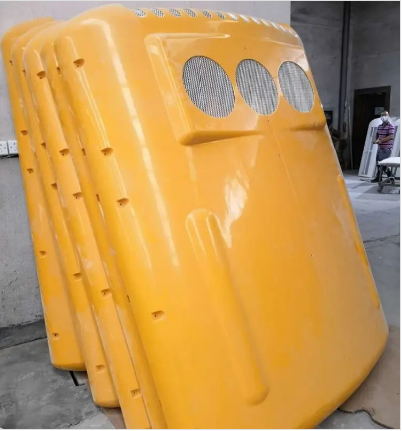
Air bubbles are a common issue when fiberglass layers are applied improperly. These bubbles can weaken the mold and result in surface imperfections. To prevent this, always use a bristle roller to ensure the fiberglass mat is fully saturated with resin, pressing the mat tightly against the mold surface. This action helps eliminate trapped air. Additionally, carefully inspect each layer as it is applied, especially in corners or edges where bubbles are more likely to form. If bubbles still appear after curing, they can be carefully removed with a sharp utility knife, and the area can be patched with additional resin and fiberglass for a seamless finish.
An uneven gel coat not only impacts the cosmetic appearance of the mold but also its overall performance. To ensure an even application, always use a spray gun, as it delivers a consistent, smooth layer that a brush cannot achieve. The gel coat should be applied in several thin layers, each layer allowed to partially cure before the next is applied. This method prevents over-thickening and runs. Using a gel coat thickness gauge is essential to avoid excessive application, as too thick a coating can lead to cracking during the curing process. Even distribution ensures a hard, durable surface and prevents defects in the final parts.
Incomplete curing can result in a mold that is soft or weak, which compromises its ability to produce quality parts. To avoid curing issues, it is important to follow the manufacturer’s instructions for resin catalyzation and curing times. If a mold does not cure properly, it can be re-catalyzed and allowed to cure again. The following table outlines the ideal conditions for proper curing and how to address common curing issues.
| Factor | Explanation | Recommended Specifications | Application Considerations |
|---|---|---|---|
| Curing Time | Following the manufacturer's recommended curing time ensures complete hardening of the resin. | Minimum Curing Time: 24-48 hours | Inadequate curing time can result in soft spots or incomplete curing, leading to mold weaknesses. |
| Temperature | Resin cures best within specific temperature ranges. Extreme heat or cold can slow the curing process or cause defects. | Ideal Temperature: 70°F-80°F (21°C-27°C) | Temperature extremes can impact resin catalyzation, resulting in weak or unevenly cured molds. |
| Catalyst Addition | If the mold feels soft after curing, adding more catalyst can help complete the curing process. | Catalyst Ratio: As per manufacturer's instructions | Ensure proper mixing ratios to avoid incomplete or excessive catalyzation, which may affect resin strength. |
| Moisture Meter | Use a moisture meter to verify if the resin is fully cured, preventing sticky or weak surfaces. | Moisture Meter Reading: Below 1% moisture | A moisture meter ensures the resin has completely hardened, avoiding issues like sticky surfaces or cracks. |
| Post-Curing | After the initial curing time, molds may require additional curing under controlled conditions to strengthen further. | Additional Curing Time: As necessary (may require up to 72 hours) | Post-curing at higher temperatures can improve the mold's strength and durability, especially in critical applications. |
Fiberglass molding is a proven method for creating strong, lightweight parts used in industries such as automotive, marine, and aerospace. The process, which involves applying fiberglass and resin to form durable molds, requires precision at every stage. Changshu Jianan FRP Products Co., Ltd. provides top-quality fiberglass molding solutions, helping manufacturers achieve high-performance, cost-effective products. With expertise in producing molds for complex structures, their products offer unmatched durability and flexibility, ensuring your production needs are met with high standards and efficiency.
A: Fiberglass molding is a process used to create durable, lightweight parts by layering fiberglass fabric or chopped strand mat and applying resin. This technique is widely used in automotive, marine, and industrial applications to produce high-performance components.
A: In fiberglass molding, a mold is created by applying fiberglass and resin over a plug (master model). The resin bonds the fiberglass together, hardening it into a rigid structure, which becomes the final molded part after curing.
A: Fiberglass molding provides numerous advantages such as durability, corrosion resistance, lightweight nature, and cost-effectiveness. It also allows for the creation of complex shapes, making it ideal for industries like aerospace and automotive.
A: The curing time for fiberglass molding typically ranges from 24 to 48 hours, depending on factors like resin type, temperature, and mold size. It's essential to follow the manufacturer's recommended curing instructions to ensure proper hardening.
A: Common issues include air bubbles, uneven gel coat application, and curing problems. These can be addressed by using proper techniques like pressing out air during layering, ensuring even gel coat thickness, and following correct resin catalyzation and curing times.
