


Views: 0 Author: Site Editor Publish Time: 2026-02-03 Origin: Site


Fiberglass, a versatile and durable material, is used across many industries. Its unique properties—light weight, high strength, and corrosion resistance—make it essential in manufacturing a wide range of products. As demand for sustainable, strong, and lightweight solutions grows, the use of moulded fibreglass products continues to rise. In this article, we will explore the diverse products made from fiberglass and how moulded fibreglass contributes to creating reliable, long-lasting items across various sectors.
Fiberglass plays a significant role in the automotive industry, particularly for parts like car body kits, bumpers, spoilers, and fenders. The primary benefit of using moulded fibreglass products in automobiles is their lightweight nature. Reducing the weight of a vehicle is crucial for improving fuel efficiency and performance, and fibreglass is ideal for this purpose. In addition to being light, fibreglass is highly durable, corrosion-resistant, and able to withstand harsh environmental conditions, making it a preferred material for both exterior and interior automotive components.
Fiberglass is extensively used in the marine industry, particularly in manufacturing boat hulls, pontoons, and yacht decks. Using fibreglass moulds allows these products to have better corrosion resistance and strength. The following table outlines common marine products, their features, and applications.
| Product | Material Properties | Application | Technical Specifications | Advantages |
|---|---|---|---|---|
| Boat Hulls | High Strength, Corrosion-Resistant | Manufacture of boat and yacht hulls | Tensile Strength: 3.3–4.5 GPa | Increased durability, saltwater resistance |
| Pontoons | Lightweight, Pressure-Resistant | Used in floating platforms and life-saving equipment | Density: 2.5–2.7 g/cm³ | Enhanced stability, UV corrosion resistance |
| Yacht Decks | Waterproof, Impact-Resistant | Production of durable yacht decks | Specific Gravity: 2.45 g/cm³ | Corrosion-resistant, high strength, long-lasting |
Tip:Using fiberglass in boat hulls and pontoons not only significantly reduces weight but also enhances their corrosion and impact resistance, making the vessels more durable.
In the aerospace sector, moulded fibreglass products are used in a variety of components such as aircraft wings, fuselage parts, and structural elements. The strength-to-weight ratio of fibreglass is one of its greatest advantages in aerospace engineering. Fibreglass is strong enough to endure the stresses of flight while being much lighter than metal alternatives, reducing overall weight and increasing fuel efficiency. Its resistance to corrosion also ensures that fibreglass components in aircraft are long-lasting and reliable under extreme conditions.
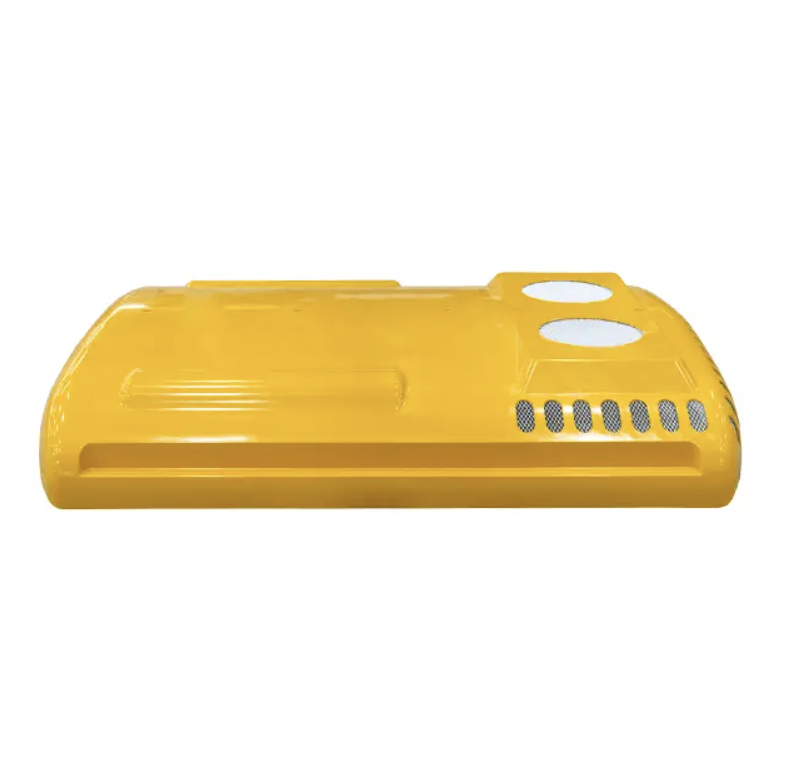
Fiberglass is widely used in construction, particularly in insulation and roofing materials. Moulded fibreglass products are essential for creating roofing panels, insulation boards, and thermal barriers. The excellent thermal insulating properties of fibreglass make it an energy-efficient choice for both residential and commercial buildings. Fibreglass insulation helps maintain temperature regulation in buildings, reducing energy consumption and improving overall comfort. Furthermore, fibreglass moulding allows for the creation of durable roofing materials that are resistant to weathering and corrosion, making them ideal for long-lasting roof solutions.
In construction, fibreglass moulds are used to create structural supports such as beams, columns, and support frames. The high tensile strength of fibreglass allows it to replace steel in certain applications, reducing the overall weight of the structure while maintaining the necessary strength. This makes fibreglass an excellent choice for buildings that require both structural integrity and reduced load-bearing weight. Additionally, fibreglass is resistant to environmental factors such as rust and rot, which can compromise the longevity of traditional materials like steel.
Fibreglass-reinforced grating is commonly used in industrial settings to create durable, non-corrosive walkways and platforms. This type of moulded fibreglass is ideal for environments exposed to heavy traffic, chemicals, or moisture, where traditional materials like steel would quickly corrode. The anti-slip nature of fibreglass grating further enhances safety in industrial spaces, ensuring that workers can move freely without the risk of slips or falls. Additionally, fibreglass grating is lightweight and easy to install, making it a practical choice for various applications in the construction industry.
In sports equipment, fibreglass moulds are widely used, particularly for products like surfboards, bicycles, and ski poles. The following table shows how fiberglass is applied in sports equipment, along with its characteristics and technical specifications.
| Equipment | Material Properties | Application | Technical Specifications | Advantages |
|---|---|---|---|---|
| Surfboards | Lightweight, High Strength, Water-Resistant | Fundamental equipment for water sports | Density: 1.6 g/cm³ | Enhanced durability, improved performance |
| Ski Poles | High Flexibility, Impact-Resistant | Adds flexibility and stability in sports | Bending Strength: 300 MPa | Increased stability, reduced fatigue |
| Bicycle Frames | Lightweight, Shock-Resistant | Provides a comfortable cycling experience | Tensile Strength: 4.5 GPa | Reduced weight, increased strength and durability |
Tip:Fiberglass in sports equipment not only enhances product performance but also reduces weight, making it ideal for high-performance gear.
Many home appliances, especially those used in wet environments, are made from fibreglass products. Bathtubs, hot tubs, and swimming pool structures are commonly crafted using fibreglass due to its corrosion resistance and durability. The non-corrosive properties of fibreglass make it an ideal material for items that will be exposed to water and moisture over long periods of time. Additionally, fibreglass moulding allows manufacturers to create complex shapes for these appliances, making them both functional and aesthetically pleasing.
Fibreglass moulds are frequently used in the production of furniture and home décor items such as planters, lampshades, and furniture frames. The ability to mould fibreglass into intricate designs allows for a wide variety of shapes and styles, making it a versatile choice for interior design. Additionally, fibreglass is lightweight yet durable, making it easy to transport and long-lasting in use. The sleek, modern appearance of fibreglass products, combined with their strength, makes them a popular choice for contemporary furniture and décor.
Fibreglass’s exceptional resistance to corrosive chemicals and high temperatures makes it a preferred material for chemical processing equipment. Its durability in harsh environments ensures that pipes, storage tanks, and filtration systems made from fibreglass can handle aggressive chemicals like acids, alkalis, and solvents. Additionally, fibreglass’s ability to withstand high pressures and temperatures ensures reliable performance in processes such as chemical mixing and storage, significantly extending the lifespan of equipment while reducing maintenance and replacement costs in industrial settings.
In electrical applications, fibreglass is essential for providing insulation in products like circuit boards, transformer components, and insulated panels. Its high dielectric strength prevents electrical currents from leaking, ensuring safety in high-voltage applications. Fibreglass also maintains its insulating properties under extreme temperatures, which is critical in electrical systems that generate heat. Furthermore, fibreglass’s resistance to environmental factors such as moisture and corrosion ensures long-term performance in outdoor and industrial electrical systems, reducing the risk of short circuits and electrical failures.
Fibreglass is an ideal material for waste and water management systems due to its resistance to chemical degradation, corrosion, and extreme weather conditions. In wastewater treatment plants, fibreglass pipes and filtration systems provide a durable solution for transporting and filtering water. The lightweight yet strong nature of fibreglass reduces the overall installation cost while ensuring long-term reliability in harsh environmental conditions. Additionally, the non-reactive nature of fibreglass ensures that it will not contaminate the water, contributing to safer, more sustainable waste and water management systems.
The high strength-to-weight ratio of fibreglass is a key factor in industries where performance and efficiency are essential. Its tensile strength can reach up to 3,000 MPa, making it comparable to steel, yet it is significantly lighter. This combination allows for better fuel efficiency, especially in aerospace and automotive applications, where reducing weight directly translates to lower energy consumption. Additionally, fibreglass components can withstand high stresses, ensuring reliability even in demanding conditions such as high-speed transportation or extreme environments.
Fibreglass’s natural resistance to corrosion makes it highly suitable for applications exposed to harsh environmental conditions. Unlike metals, fibreglass does not undergo oxidation when exposed to saltwater, acid, or alkalis, making it ideal for marine and chemical industries. Furthermore, fibreglass’s resistance to UV radiation ensures that it maintains its integrity and appearance over time, even when exposed to prolonged sun exposure. This durability minimizes the frequency of repairs or replacements, making fibreglass a sustainable material for long-term use in corrosive environments.
Fibreglass offers a cost-effective alternative to other high-performance materials, such as carbon fiber and metals, without compromising on durability or strength. Its manufacturing process, including techniques like compression moulding and resin infusion, is more affordable and scalable for mass production. Moreover, fibreglass can be easily moulded into complex shapes and sizes, providing versatility in applications ranging from lightweight structures to high-performance components. This adaptability makes it a preferred material in diverse industries, including construction, automotive, and renewable energy.
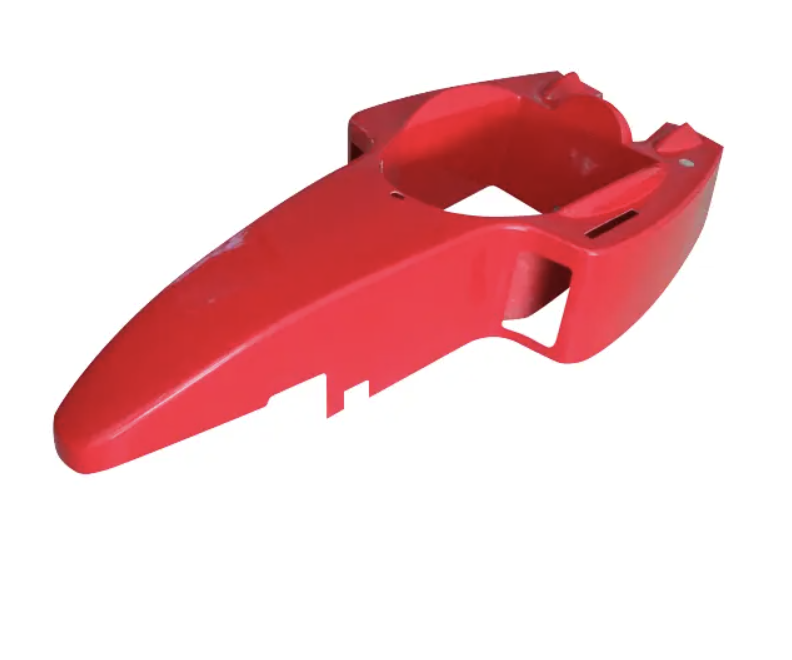
Fibreglass moulding techniques play a critical role in determining the properties and application of the final product. Hand lay-up is ideal for large, custom shapes, typically used in automotive and marine industries. Compression moulding provides a faster, more efficient way to produce parts with consistent thickness and strength, commonly used for high-volume products. Resin infusion, on the other hand, ensures superior strength and quality by using vacuum pressure to evenly distribute resin, ideal for aerospace and high-performance applications. The right moulding technique, along with the proper resin selection, guarantees a product that is both durable and suited to its specific use case.
Quality control in fibreglass manufacturing ensures products meet stringent performance and safety standards. During the process, tests such as tensile strength, thermal stability, and surface finish are performed to confirm the product’s integrity. Methods like X-ray and ultrasonic testing are often employed to detect internal flaws that may compromise structural integrity. Compliance with industry certifications, such as ISO 9001 or ASTM standards, is essential in sectors like aerospace and automotive, where precision and reliability are non-negotiable. Strict quality control guarantees that the final product is safe, durable, and meets customer specifications.
With growing concerns about sustainability, manufacturers are increasingly focused on recycling fibreglass products to reduce waste. This process allows fibreglass to be repurposed into new products, such as wind turbine blades and construction materials. The table below highlights key aspects of fibreglass recycling, including its benefits, applications, and environmental impact.
| Aspect | Details | Applications | Environmental Benefits |
|---|---|---|---|
| Recycling Process | Fibreglass products are collected, broken down, and reformed into new materials | Used in manufacturing wind turbine blades, construction materials, and more | Reduces production waste, minimizes landfill impact |
| Recycled Products | Repurposed fibreglass can be used in construction, automotive, and renewable energy industries | Wind turbine blades, building panels, and pallets | Provides a more sustainable solution, conserves raw materials |
| Environmental Impact | Recycling reduces the need for new raw materials and lowers the carbon footprint | Repurposed into durable, long-lasting products | Lowers carbon emissions, reduces environmental degradation |
| Economic Advantage | Repurposing fibreglass reduces material costs for manufacturers | Cheaper production of construction materials and renewable energy components | Offers cost-effective, environmentally-friendly alternatives |
Tip:By recycling fibreglass, industries can reduce environmental impact, save costs on raw materials, and contribute to sustainability efforts in the manufacturing sector.
In conclusion, moulded fibreglass products are indispensable across a variety of industries due to their versatility, strength, and durability. From automotive components to industrial applications, fiberglass continues to play a crucial role in creating products that are both reliable and cost-effective. Changshu Jianan FRP Products Co., Ltd. offers high-quality fibreglass solutions that meet diverse industry needs. Their products, known for excellent strength and corrosion resistance, provide significant value by improving performance and reducing maintenance costs, making them an ideal choice for long-lasting applications.
A: Moulded fibreglass products are used in a variety of industries, including automotive, aerospace, marine, and construction. They are ideal for creating lightweight, durable, and corrosion-resistant components like car body parts, boat hulls, and roofing materials.
A: Moulded fibreglass products are made using techniques like hand lay-up, compression moulding, and resin infusion. These methods allow manufacturers to create custom shapes and sizes, ensuring the products are strong and durable for their intended applications.
A: Moulded fibreglass products are preferred in the automotive industry because they are lightweight, which improves fuel efficiency, and they are highly durable and corrosion-resistant, making them ideal for both interior and exterior car components.
A: The cost of moulded fibreglass products is generally lower than materials like carbon fiber or metals. Despite being cost-effective, they offer high strength, durability, and resistance to corrosion, providing long-term value across industries.
A: The main advantages of moulded fibreglass products include their high strength-to-weight ratio, corrosion resistance, and versatility. They are suitable for a wide range of applications, from automotive components to industrial and marine products.
