
 English


Views: 0 Author: Site Editor Publish Time: 2025-11-19 Origin: Site


Is fiberglass just plastic or glass? This common question sparks curiosity about this versatile material.
Fiberglass has a rich history and plays a crucial role in industries like automotive, construction, and aerospace.
In this post, you'll learn what fiberglass is, its unique properties, and why it matters today.
Fiberglass is a composite material made from fine glass fibers and resin. This unique combination gives it remarkable strength and lightweight properties. It’s often used in various applications due to its durability and resistance to corrosion.
The development of fiberglass dates back to the 1930s when it was first used in the automotive industry. Over the decades, its popularity grew, leading to innovations in production techniques. Today, fiberglass is a staple material in many sectors, showcasing its versatility.
Fiberglass plays a crucial role in several industries, including:
● Automotive: It is used to create lightweight, fuel-efficient vehicles.
● Construction: Fiberglass is utilized for insulation and structural reinforcement.
● Marine: Boat hulls and components are often made from fiberglass due to its water resistance.
● Aerospace: Lightweight structures enhance fuel efficiency and performance.
Industry | Application | Benefits |
Automotive | Body panels and components | Reduces weight, improves efficiency |
Construction | Insulation and roofing | Energy-efficient and durable |
Marine | Hulls and structural parts | Resistant to water and corrosion |
Aerospace | Lightweight fuselage components | Enhances performance and reduces weight |
Fiberglass has transformed these industries, making processes more efficient and products more reliable. Its adaptability continues to drive innovation, ensuring its relevance for years to come.
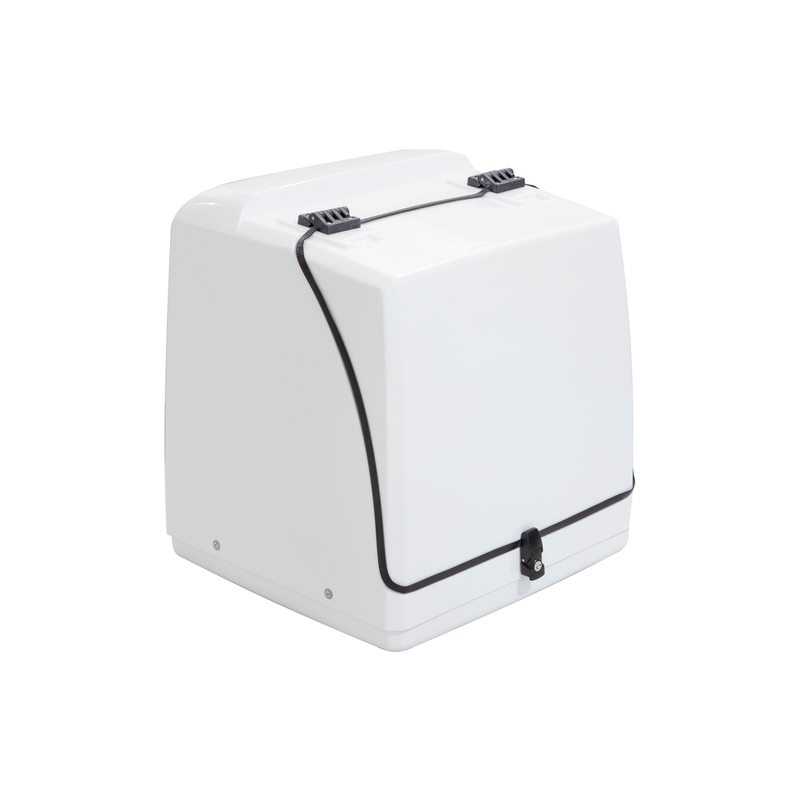
Fiberglass is primarily made of two key components: glass fibers and resin. The glass fibers provide strength, while the resin acts as a binder, holding everything together. This combination creates a material that is both lightweight and incredibly durable.
● Glass Fibers: These are thin strands of glass that are woven or layered to form a strong matrix. They are inorganic, meaning they do not contain carbon and are resistant to heat and chemicals.
● Resin: Typically, polyester or epoxy resin is used in fiberglass production. This organic component cures to form a solid structure, offering flexibility and adhesion.
Material | Composition | Strength | Flexibility |
Fiberglass | Glass fibers + resin | High | Moderate |
Pure Glass | Silica (SiO2) | Very high | Brittle |
Plastic | Organic polymers | Variable | High |
Fiberglass combines the best properties of both glass and plastic. It offers the strength of glass while maintaining some flexibility, unlike pure glass, which can shatter easily.
Yes, fiberglass is classified as a composite material.
Composite materials are made from two or more constituent materials that, when combined, produce a material with characteristics different from the individual components.
Fiberglass fits perfectly into this category because it combines glass fibers and resin to create a material that is stronger and lighter than either component alone.
● Glass Fiber (Inorganic): Known for its tensile strength, glass fibers can withstand high temperatures and resist chemical exposure. This makes them ideal for various applications, from automotive parts to marine vessels.
● Polyester Resin (Organic): This resin is commonly used due to its cost-effectiveness and ease of use. It cures quickly, providing a solid bond that enhances the overall durability of fiberglass.
The unique properties of glass fibers and polyester resin contribute significantly to the characteristics of fiberglass. For example, the glass fibers impart strength and rigidity, while the resin provides flexibility and resistance to environmental factors. Together, they create a versatile material suitable for many applications, including construction, automotive, and aerospace industries.
Fiberglass boasts several remarkable physical properties that make it an attractive choice for various applications.
● Lightweight and Strength: One of the standout features of fiberglass is its lightweight nature. This characteristic allows for easy handling and installation while maintaining impressive strength. Fiberglass can achieve a high strength-to-weight ratio, making it suitable for demanding environments.
● Resistance to Corrosion and Chemicals: Unlike metals, fiberglass does not rust, which makes it ideal for use in harsh environments. Its resistance to chemicals also means it can withstand exposure to acids, alkalis, and other corrosive substances, ensuring longevity and reliability.
● Insulating Properties: Fiberglass is an excellent insulator, both thermally and electrically. This makes it a popular choice in construction and electrical applications, where maintaining temperature and preventing electrical conductivity are crucial.
To understand fiberglass better, it's helpful to compare it with pure glass and plastic.
Property | Fiberglass | Glass | Plastic |
Hardness | Moderate | High | Variable |
Brittleness | Low | High | Low |
Flexibility | Moderate | Low | High |
Durability | High | Moderate | Variable |
Fiberglass combines the best of both worlds. It offers the strength and durability associated with glass while maintaining the flexibility and resilience found in plastics. This unique combination makes fiberglass a versatile material for various uses.
The automotive industry particularly benefits from the characteristics of fiberglass.
● Lightweight Nature: By incorporating fiberglass into vehicle design, manufacturers can significantly reduce the overall weight of the vehicle. This reduction leads to lower fuel consumption, which is an essential factor in today’s eco-conscious market.
● High Strength-to-Weight Ratio: When compared to metals, fiberglass provides a superior strength-to-weight ratio. This means that vehicles can be both lightweight and strong, enhancing performance without compromising safety.
Incorporating fiberglass into automotive applications not only improves efficiency but also contributes to better handling and acceleration, making it a preferred choice for modern vehicle designs.
Fiberglass is a versatile material found in numerous industries due to its unique properties. Its applications span various fields, showcasing its adaptability and performance.
● Automotive Industry: In the automotive sector, fiberglass is used extensively for creating lightweight parts and components. From body panels to interior elements, its lightweight nature contributes to improved fuel efficiency. Vehicles made with fiberglass components can reduce overall weight, which translates into better performance and lower emissions.
● Construction: Fiberglass plays a crucial role in the construction industry. It is used for insulation, roofing, and reinforcement. Fiberglass insulation provides excellent thermal resistance, helping to maintain comfortable indoor temperatures while reducing energy costs. Additionally, fiberglass-reinforced materials are used in roofing systems for added durability and weather resistance.
● Marine Applications: The marine industry relies heavily on fiberglass for boat hulls and various components. Its resistance to corrosion and water makes it ideal for constructing durable and lightweight vessels. Fiberglass boats are easier to maintain and can withstand harsh marine environments, making them a popular choice among boat manufacturers and enthusiasts.
● Aerospace: In aerospace, fiberglass is utilized for lightweight structures that require high strength and durability. Its ability to be molded into complex shapes allows for innovative designs in aircraft components, contributing to overall weight reduction and improved fuel efficiency.
Using fiberglass in various applications offers several advantages that set it apart from traditional materials.
Advantage | Description |
Performance Benefits | Fiberglass enhances fuel efficiency in vehicles and reduces maintenance needs in marine applications. |
Cost-Effectiveness | Compared to metals, fiberglass is often more affordable, making it a budget-friendly option for manufacturers. |
Customization Capabilities | Fiberglass can be tailored to meet specific industry needs, allowing for OEM and ODM services that cater to unique requirements. |
These benefits make fiberglass an attractive option across multiple sectors. Its performance not only meets industry standards but often exceeds them, providing a reliable solution for manufacturers looking to innovate and improve their products. The ability to customize fiberglass components further enhances its appeal, allowing businesses to create specialized products that fit their exact specifications.
A common misconception is that fiberglass is merely a type of plastic. While it does share some characteristics with plastics, fiberglass is fundamentally different. Fiberglass is a composite material made from fine glass fibers embedded in a resin matrix. This combination gives it unique properties that set it apart from standard plastics.
Feature | Fiberglass | Plastic |
Material Composition | Glass fibers + resin | Synthetic polymers |
Strength | High strength and rigidity | Variable, often less strong |
Temperature Resistance | Better resistance to heat | Can deform under high heat |
The strength and durability of fiberglass make it suitable for applications where traditional plastics might fail. This distinction is important when considering materials for construction, automotive, or marine uses.
Another misconception is that fiberglass is simply glass. While fiberglass contains glass fibers, it is not the same as pure glass. Pure glass can be brittle and lacks the flexibility found in fiberglass. Fiberglass combines the strength of glass with the resilience of resin, resulting in a material that can withstand impact and stress much better than plain glass.
● Limitations of Pure Glass:
○ Brittle nature can lead to shattering.
○ Limited applications due to weight and fragility.
○ Less effective in environments requiring flexibility.
Fiberglass, on the other hand, is designed to be lightweight and can be molded into various shapes, making it far more versatile. Its ability to resist cracking and breaking under pressure makes it a preferred choice in many industries.
When discussing fiberglass, it’s essential to address its environmental impacts. One major concern is the recycling challenges associated with fiberglass. Unlike plastics that can be easily recycled, fiberglass requires specialized processes to reclaim its materials. This can lead to increased waste if not managed properly.
● Sustainability Considerations:
○ Fiberglass production involves energy-intensive processes.
○ Limited recycling options contribute to landfill waste.
○ However, advancements are being made in recycling technologies.
Additionally, there are misconceptions about the safety and durability of fiberglass in various environments. While fiberglass is generally safe, improper handling can release fine glass fibers, which may pose health risks if inhaled. Proper safety measures should always be taken during installation and maintenance.
Environmental Impact | Description |
Production Footprint | Energy-intensive manufacturing process |
Recycling Challenges | Difficult to recycle effectively |
Health Risks | Potential for inhalation of fibers |
Understanding these factors helps clarify the true nature of fiberglass and its implications for both consumers and industries alike.
The production of fiberglass is a fascinating process that combines science and craftsmanship. It involves several key steps, each contributing to the final product's strength and versatility. Let's break down the main stages of fiberglass manufacturing.
The journey begins with the creation of glass fibers. Raw materials, primarily silica sand, limestone, and soda ash, are melted in a furnace at high temperatures, around 1,400 to 1,600 degrees Celsius. Once melted, the molten glass is drawn through fine orifices to form continuous strands of glass fiber. This process can be done using various methods, including:
● Pultrusion: A continuous process where fibers are pulled through a resin bath and then cured.
● Filament Winding: Fibers are wound around a mold to create cylindrical shapes.
The resulting glass fibers are then collected and prepared for the next steps in the manufacturing process.
After the glass fibers are produced, the next step involves applying resin. This resin acts as a binding agent, giving fiberglass its structural integrity. The application can be done in several ways, including:
1. Hand Lay-Up: Workers manually lay the glass fibers into a mold and apply resin by brush or roller. This method is labor-intensive but allows for detailed work.
2. Spray-Up: A spray gun is used to apply both glass fibers and resin simultaneously, speeding up the process and making it suitable for larger parts.
3. Resin Transfer Molding (RTM): In this method, the glass fibers are placed in a closed mold, and resin is injected under pressure, ensuring a uniform application.
Each method has its advantages, depending on the desired properties of the final product.
Maintaining high standards in fiberglass production is crucial. Quality control measures are implemented throughout the manufacturing process to ensure durability and performance. This includes:
● Testing Raw Materials: Checking the quality of glass and resin before production begins.
● In-Process Inspections: Regular checks during production to monitor fiber alignment and resin application.
● Final Product Testing: Finished products undergo rigorous testing for strength, flexibility, and resistance to environmental factors.
Quality Control Aspect | Description |
Raw Material Testing | Ensures quality before production |
In-Process Inspections | Monitors consistency during manufacturing |
Final Testing | Assesses the product's performance |
High standards and certifications are vital in fiberglass manufacturing. Achieving high-tech enterprise status, for example, not only boosts credibility but also ensures adherence to industry regulations. This status often requires companies to demonstrate innovation and quality in their processes, which ultimately benefits consumers by providing reliable and durable products.
By understanding the intricate manufacturing process of fiberglass, we can appreciate the effort that goes into creating this versatile material. Each step, from fiber production to quality control, plays a significant role in ensuring the final product meets the demands of various industries.

The future of fiberglass is bright, driven by continuous innovations in technology. As industries evolve, advancements in materials and production techniques are reshaping how fiberglass is used and perceived.
Recent developments focus on enhancing the properties of fiberglass. Researchers are experimenting with hybrid composites that combine fiberglass with other materials, like carbon fiber, to achieve superior strength and lightweight characteristics. These advancements allow for lighter, more durable products, which are essential in sectors such as aerospace and automotive.
Moreover, production techniques are becoming more efficient. For example, automated processes are being implemented to reduce waste and increase precision. This shift not only improves quality but also lowers production costs, making fiberglass more accessible for various applications.
Fiberglass is finding its way into emerging industries, showcasing its versatility. In renewable energy, for instance, fiberglass is increasingly used in the manufacturing of wind turbine blades due to its lightweight and high-strength properties. This trend is expected to grow as the demand for sustainable energy solutions rises.
Industry | Application Example |
Aerospace | Lightweight structural components |
Automotive | Body panels and internal structures |
Renewable Energy | Wind turbine blades |
In addition, the construction industry is exploring fiberglass for its potential in building materials. Its resistance to corrosion and environmental factors makes it an ideal candidate for applications in harsh conditions, such as marine environments or chemical plants.
As environmental concerns grow, so do sustainability efforts within the fiberglass industry. Manufacturers are increasingly focused on reducing their carbon footprint. This includes optimizing energy use during production and sourcing raw materials responsibly.
Research into recyclable fiberglass materials is also gaining momentum. Innovative methods are being developed to recycle fiberglass waste, transforming it into new products rather than letting it end up in landfills. These efforts not only help the environment but also create a circular economy within the industry.
Sustainability Initiative | Description |
Energy Efficiency | Reducing energy consumption in production |
Recycling Programs | Developing methods to recycle fiberglass |
Eco-Friendly Materials | Sourcing sustainable raw materials |
By focusing on eco-friendly production methods, the fiberglass industry aims to meet the growing demand for sustainable practices while maintaining performance and quality. This ensures that fiberglass remains a viable option for future generations, balancing innovation with responsibility.
Fiberglass is a unique composite material, combining the best properties of both glass and plastic. Its lightweight and strong characteristics make it superior to pure glass and plastic in many applications. As industries continue to innovate, the future of fiberglass looks promising. With advancements in technology and sustainability efforts, fiberglass will play a crucial role in various sectors, from construction to renewable energy. Its versatility ensures it remains a valuable material for years to come.
A: Fiberglass is a composite material made of glass fibers, while FRP combines fiberglass with a resin matrix, enhancing strength and durability.
A: Yes, fiberglass can be recycled through innovative methods that break it down into reusable materials, promoting sustainability.
A: Generally, fiberglass is safe; however, inhaling glass fibers can cause irritation. Proper safety measures should be taken during handling.
A: Fiberglass offers a unique balance of strength, weight, and cost-effectiveness, often outperforming other composites in various applications.
A: Fiberglass is lightweight, corrosion-resistant, and provides excellent insulation, making it ideal for improving fuel efficiency and durability in vehicles.
