


Views: 0 Author: Site Editor Publish Time: 2025-11-19 Origin: Site


Have you ever wondered how lightweight yet durable materials are made? Fiberglass molding is a revolutionary process that combines strength and flexibility, playing a crucial role in many industries. In this article, we’ll explore what fiberglass molding is, its significance, and how it transforms various applications. You’ll learn about its benefits, techniques, and why it stands out among other materials.
Fiberglass molding is a manufacturing process that utilizes fiberglass, a composite material made from fine glass fibers and a polymer resin. This combination results in a lightweight, strong, and versatile material. The primary components of fiberglass include glass fibers, which provide strength, and resins, which bind the fibers together and offer durability. The ratio of these components can be adjusted to meet specific performance requirements, making fiberglass highly adaptable.
The process of fiberglass molding involves several key steps. First, the glass fibers are arranged in a mold, which can be shaped to create various designs. Next, a resin is applied, saturating the fibers. This mixture is then cured, either at room temperature or with heat, solidifying the material into the desired shape.
Key Steps in the Process:
1. Mold Preparation: Clean and apply a release agent to the mold.
2. Fiber Placement: Lay glass fibers into the mold.
3. Resin Application: Pour or spray resin over the fibers.
4. Curing: Allow the mixture to harden, forming a solid structure.
This method enables the production of complex shapes and large components efficiently.
Fiberglass molding is widely used across various industries due to its beneficial properties. Some common applications include:
● Automotive Parts: Lightweight body panels and structural components.
● Marine Industry: Boat hulls and other marine structures that require corrosion resistance.
● Construction: Architectural elements, roofing materials, and insulation products.
Industry | Application Examples |
Automotive | Body panels, dashboards |
Marine | Hulls, storage tanks |
Construction | Roofing, window frames |
The popularity of fiberglass in modern manufacturing continues to grow. Industries are increasingly recognizing its advantages over traditional materials. For instance, in the automotive sector, manufacturers are turning to fiberglass to reduce vehicle weight, which enhances fuel efficiency. Similarly, in the construction industry, fiberglass is favored for its durability and design flexibility.
As companies seek sustainable and cost-effective solutions, fiberglass stands out as a material that meets these demands. Its ability to be molded into intricate designs allows for innovation in product development, making it a crucial component in many modern applications.
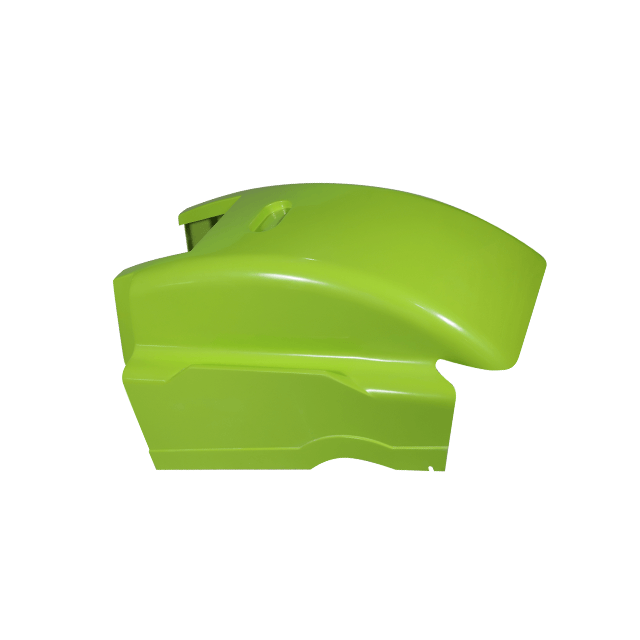
Fiberglass molding is a fascinating process that combines creativity and engineering. It involves several key steps to transform raw materials into durable products. Let's dive into how this process unfolds.
The fiberglass molding process consists of several essential steps:
1. Prototype Creation: Initially, a prototype is made to design the final product. This model helps visualize the shape and dimensions before production begins.
2. Application of Release Agents: To ensure easy removal of the finished product from the mold, a release agent is applied. This agent prevents the fiberglass from sticking to the mold surface.
3. Gel Coat Application: A gel coat is often applied as the first layer. This provides a smooth, finished surface and adds protection against environmental factors.
4. Layering Fiberglass and Resin: After the gel coat, layers of fiberglass and resin are applied. The fiberglass is cut into sheets and laid into the mold, followed by pouring or spraying resin over it. This layering technique reinforces the structure.
5. Curing and Demolding: Finally, the assembly is cured, allowing the resin to harden. Once cured, the product is carefully removed from the mold, completing the process.
Visual Overview of the Steps:
Step | Description |
Prototype Creation | Initial model to guide production |
Release Agents | Prevents sticking to molds |
Gel Coat Application | Smooth finish and protection |
Layering Fiberglass and Resin | Builds strength and structure |
Curing and Demolding | Final hardening and removal from the mold |
There are various techniques used in fiberglass molding, each suited for different applications:
● Hand Lay-up Molding: This is one of the simplest methods, where workers manually lay fiberglass sheets into a mold and apply resin. It’s great for custom, small-scale projects.
● Resin Transfer Molding (RTM): In this technique, dry fiberglass is placed in a mold, and resin is injected under pressure. This method allows for more uniform thickness and faster production times.
● Sheet Molding Compound (SMC) and Bulk Molding Compound (BMC): SMC and BMC are pre-mixed materials that can be molded under heat and pressure. They are ideal for high-volume production and complex shapes.
● Vacuum Forming: This technique uses vacuum pressure to pull heated plastic sheets over molds. While primarily for plastics, it can also be adapted for fiberglass applications.
As technology evolves, so do the techniques used in fiberglass molding.
● Vacuum-Assisted Resin Transfer Molding (VARTM): This advanced method enhances the RTM process by using a vacuum to draw resin into the mold. This results in better fiber wet-out and reduces air bubbles.
● Benefits of Using Water Jet Cutting: Water jet cutting is a precise method for shaping fiberglass. It uses high-pressure water streams to cut through materials without generating heat, preserving the integrity of the fiberglass.
These advanced techniques improve efficiency, precision, and the overall quality of fiberglass products, making them increasingly popular in modern manufacturing.
Fiberglass molding offers numerous advantages, making it a popular choice in various industries. Below, we explore some compelling reasons to consider fiberglass molding for your next project.
One of the standout features of fiberglass molding is its impressive strength-to-weight ratio. Compared to traditional materials like metals, fiberglass is significantly lighter. In fact, fiberglass components can be 30% to 50% lighter than steel, which translates into easier handling and reduced transportation costs. This lightweight characteristic does not compromise durability; fiberglass is known for its robust nature, making it ideal for demanding applications.
Comparison of Materials:
Material | Weight (per cubic foot) | Durability |
Steel | 490 lbs | High |
Aluminum | 168 lbs | Moderate |
Fiberglass | 90 lbs | High |
Fiberglass excels in environments where corrosion is a concern. Unlike metals, which can rust and degrade when exposed to moisture and chemicals, fiberglass maintains its integrity even in harsh conditions. This makes it an excellent choice for outdoor applications and industries like marine, chemical processing, and wastewater treatment. For instance, fiberglass is commonly used in boat hulls and storage tanks where exposure to saltwater or chemicals is prevalent.
Applications Benefiting from Corrosion Resistance:
● Marine Industry: Boat hulls and decks
● Chemical Plants: Storage tanks and piping systems
● Wastewater Treatment: Tanks and structural components
Another significant advantage of fiberglass molding is its design flexibility. Fiberglass can be molded into complex shapes and custom designs, which is challenging with traditional materials. This capability allows manufacturers to create unique products tailored to specific needs.
For example, in the automotive industry, custom fiberglass parts are often used to enhance aerodynamics and aesthetics. A notable case study includes the use of fiberglass in race car body panels, where weight reduction and performance are critical.
Examples of Custom Fiberglass Products:
● Automotive Parts: Lightweight body panels and spoilers
● Architectural Elements: Custom facades and decorative features
When it comes to production costs, fiberglass molding often proves to be more economical than alternative materials. The initial investment may be lower due to reduced material costs and labor. Additionally, fiberglass products require less maintenance over time. Repairs are straightforward, and the long lifespan of fiberglass means fewer replacements.
Benefits of Cost-Effectiveness:
● Lower Production Costs: Economical compared to metals and plastics
● Maintenance Advantages: Easy repairs and low upkeep costs
Overall, choosing fiberglass molding can lead to significant savings while providing high-quality, durable products tailored to various applications.
Fiberglass molding is a versatile technique employed across various industries, showcasing its adaptability and strength. Let’s explore some key sectors where fiberglass molding plays a crucial role.
In the automotive sector, fiberglass molding is extensively utilized for its lightweight and durable properties. Car manufacturers use it to create various components, including car bodies, bumpers, and interior elements. For instance, fiberglass bumpers not only reduce the overall weight of vehicles but also enhance fuel efficiency. Additionally, instrument covers made from fiberglass provide a sleek appearance while being resistant to impacts and scratches.
Examples of Automotive Products:
● Bumpers: Lightweight and impact-resistant
● Instrument Covers: Durable and aesthetically pleasing
Fiberglass molding is essential in both aerospace and marine industries. Aircraft and boats rely on fiberglass components for their lightweight nature, which significantly enhances fuel efficiency. In aviation, fiberglass is used for wings, fuselage sections, and interior parts, contributing to reduced weight without sacrificing strength. Similarly, in the marine sector, fiberglass hulls are common due to their resistance to corrosion and ability to withstand harsh marine environments.
Key Benefits in Aerospace and Marine:
Industry | Application | Benefits |
Aerospace | Wings and fuselage | Weight reduction, fuel efficiency |
Marine | Boat hulls | Corrosion resistance, durability |
Fiberglass molding also finds applications in construction and architecture. It is used in building materials like panels, roofing, and insulation, providing both structural integrity and aesthetic appeal. In civil engineering projects, fiberglass reinforcements are increasingly popular due to their strength and resistance to environmental factors. Decorative elements, such as columns and facades, made from fiberglass add a modern touch to buildings while being lightweight and easy to install.
Examples of Fiberglass in Construction:
● Building Panels: Lightweight and energy-efficient
● Decorative Facades: Enhance architectural beauty
The versatility of fiberglass extends to consumer goods, where it is used to manufacture a wide range of products. From furniture to sporting goods, fiberglass offers durability and style. For example, fiberglass chairs are not only lightweight but also resistant to weather, making them ideal for outdoor use. In sports, fiberglass is commonly found in items like surfboards and fishing rods, where strength and flexibility are paramount.
Popular Consumer Products Made from Fiberglass:
● Furniture: Lightweight outdoor chairs and tables
● Sporting Goods: Surfboards, fishing rods, and helmets
Fiberglass molding's adaptability across these sectors highlights its importance in modern manufacturing, offering solutions that meet diverse needs while maintaining high standards of quality and performance.
Ensuring quality in fiberglass molding is crucial for producing safe and reliable products. Various industry standards and rigorous quality control processes help maintain high performance and safety levels. Let’s delve into the key aspects of quality assurance in this field.
Adhering to industry standards is vital for fiberglass products to ensure safety and performance. Certifications like CE (Conformité Européenne) and ISO (International Organization for Standardization) are essential benchmarks that manufacturers strive to meet. These certifications demonstrate compliance with international safety regulations and quality management systems.
Importance of Certifications:
● Safety Assurance: Certifications ensure that products are safe for use and meet regulatory requirements.
● Consumer Trust: Products with recognized certifications instill confidence in consumers, enhancing brand reputation.
● Market Access: Compliance with international standards allows manufacturers to access global markets.
Certification | Focus Area | Benefits |
CE | Product safety | Access to European markets |
ISO 9001 | Quality management | Improved operational efficiency and quality |
Quality control is a cornerstone of fiberglass molding, encompassing testing and inspection at various stages of production. Manufacturers implement rigorous quality assurance protocols to identify and rectify defects early in the process. This proactive approach not only minimizes waste but also ensures that the final products meet the highest standards.
Key Aspects of Quality Control:
1. Testing and Inspection: Regular testing of raw materials and finished products helps identify any inconsistencies. This can include tensile strength tests, impact resistance tests, and visual inspections.
2. Role of Quality Assurance: Quality assurance teams work closely with production to monitor processes and ensure adherence to established standards. They conduct audits and provide feedback to improve manufacturing practices.
3. High-Tech Equipment: Advanced technology plays a significant role in quality control. Equipment such as computerized tomography (CT) scanners and automated testing machines enhance precision and reliability in inspections. These tools allow for detailed analysis, ensuring that every product meets stringent quality criteria.
Examples of High-Tech Equipment Used:
● CT Scanners: Detect internal flaws without damaging the product.
● Automated Testing Machines: Conduct repetitive tests with high accuracy.
By integrating these quality control measures and adhering to industry standards, manufacturers can ensure that their fiberglass products are not only effective but also safe for consumers. This commitment to quality is essential in maintaining competitiveness in the market and meeting customer expectations.
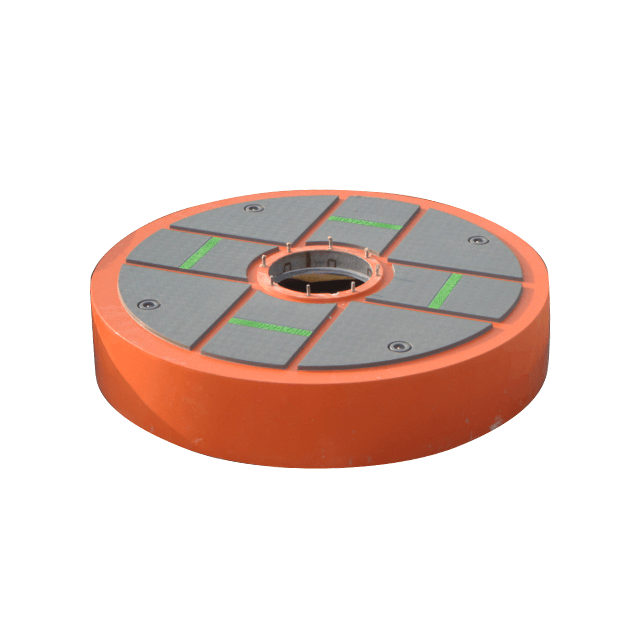
The future of fiberglass molding is bright, driven by innovations in materials and processes, as well as a growing emphasis on sustainability. As industries evolve, so do the techniques and materials used in fiberglass production, paving the way for exciting developments.
Advancements in materials are transforming fiberglass molding. New formulations are being developed to enhance strength, flexibility, and resistance to environmental factors. For instance, hybrid composites that combine fiberglass with other materials are gaining traction, offering improved performance characteristics. These innovations not only boost product durability but also expand the range of applications.
Key Innovations Include:
● Advanced Fibers: Use of carbon and aramid fibers alongside fiberglass for enhanced properties.
● Smart Materials: Incorporation of materials that can change properties in response to environmental stimuli, such as temperature or moisture.
As environmental concerns rise, the fiberglass industry is increasingly focusing on sustainable practices. Manufacturers are exploring ways to reduce waste and minimize their carbon footprint. This includes optimizing production processes to use less energy and raw materials.
Sustainable Practices:
● Energy Efficiency: Implementing energy-saving technologies in production.
● Waste Reduction: Adopting lean manufacturing techniques to minimize scrap.
Sustainable Practice | Description | Benefits |
Energy Efficiency | Use of renewable energy sources | Reduced carbon emissions |
Recycling Initiatives | Programs to recycle fiberglass materials | Conservation of resources |
The shift toward sustainability also includes the development of eco-friendly resin options. Biobased resins made from renewable resources are emerging as viable alternatives to traditional petroleum-based resins. These options not only reduce reliance on fossil fuels but also lower the environmental impact of fiberglass products.
Recycling Initiatives:
● Closed-Loop Systems: These systems allow for the recycling of fiberglass waste back into production, minimizing landfill contributions.
● Partnerships for Recycling: Collaborations between manufacturers and recycling firms are fostering innovative solutions for fiberglass waste.
Market analysts predict significant growth in the fiberglass molding sector, driven by increased demand across various industries. New applications are being explored, particularly in sectors like renewable energy, automotive, and construction. For instance, fiberglass is increasingly used in wind turbine blades and lightweight automotive components.
Emerging Markets and Potential Uses:
● Wind Energy: The demand for lightweight, durable materials in wind turbine manufacturing is surging.
● Construction: Fiberglass is being utilized for advanced building materials, offering strength and insulation properties.
The future of fiberglass molding holds immense potential, characterized by innovative materials, sustainable practices, and expanding applications. As industries adapt to changing demands, fiberglass will continue to play a pivotal role in various sectors, ensuring its relevance for years to come.
Fiberglass molding is a versatile process with numerous applications. Key points include innovations in materials, sustainability practices, and quality control. These factors contribute to the growing demand for fiberglass products.
We encourage you to explore the benefits of fiberglass molding for various industries. For more information or inquiries about fiberglass molding services, feel free to reach out or read further.
