
 English


Views: 0 Author: Site Editor Publish Time: 2025-11-19 Origin: Site


Have you ever wondered how modern buildings withstand the test of time? Fiberglass plays a crucial role in construction, offering strength and versatility. In this article, we’ll explore what fiberglass is, its composition, and its significant applications in the construction industry. You’ll learn why fiberglass is essential for durability and innovation in today’s structures.
Fiberglass is known for its remarkable properties, making it an ideal material for various construction applications. Let's dive into its key characteristics and understand why they matter in the building industry.
1. Lightweight and High Strength
Fiberglass is significantly lighter than traditional materials like steel or concrete. This lightweight nature allows for easier handling and installation, reducing labor costs. Despite its lightness, fiberglass boasts impressive tensile strength, making it suitable for structural components that require durability.
2. Excellent Corrosion Resistance
One of fiberglass's standout features is its resistance to corrosion. Unlike metals, fiberglass does not rust or degrade when exposed to moisture or chemicals. This property is particularly valuable in environments where materials face harsh weather conditions or chemical exposure, ensuring longevity and reducing maintenance needs.
3. Insulation and Fire Resistance
Fiberglass offers excellent thermal insulation, helping to maintain comfortable indoor temperatures and reduce energy costs. Additionally, it exhibits fire-resistant qualities, making it a safer choice in construction. This dual benefit of insulation and fire resistance enhances the overall safety and efficiency of buildings.
4. High Versatility in Shaping and Application
Fiberglass can be molded into various shapes and sizes, allowing for creative architectural designs. This versatility extends to its use in a wide range of applications, from roofing systems to decorative elements. Builders can customize fiberglass components to meet specific project requirements, enhancing design flexibility.
Property | Description |
Lightweight | Easier handling, reduces labor costs |
Corrosion Resistance | No rusting or degradation in harsh environments |
Insulation | Maintains temperature, reduces energy costs |
Fire Resistance | Enhances safety in construction |
Versatility | Customizable shapes for diverse applications |
The unique properties of fiberglass significantly impact construction practices. Its lightweight nature not only simplifies transportation but also minimizes structural load, allowing for innovative designs. High strength ensures that buildings can withstand various stresses, contributing to structural integrity over time.
Moreover, the corrosion resistance of fiberglass leads to lower maintenance costs. Structures made with fiberglass can endure the elements without deteriorating, which is a substantial advantage in areas prone to moisture or chemicals. This durability translates into longer-lasting buildings, providing a solid return on investment.
Additionally, the insulation properties help improve energy efficiency. By keeping buildings warmer in winter and cooler in summer, fiberglass reduces reliance on heating and cooling systems. This not only lowers energy bills but also supports environmental sustainability efforts.
In summary, the core characteristics of fiberglass, including its lightweight nature, corrosion resistance, insulation capabilities, and versatility, make it an invaluable material in modern construction. Its unique properties not only enhance structural integrity but also contribute to the longevity and efficiency of buildings.
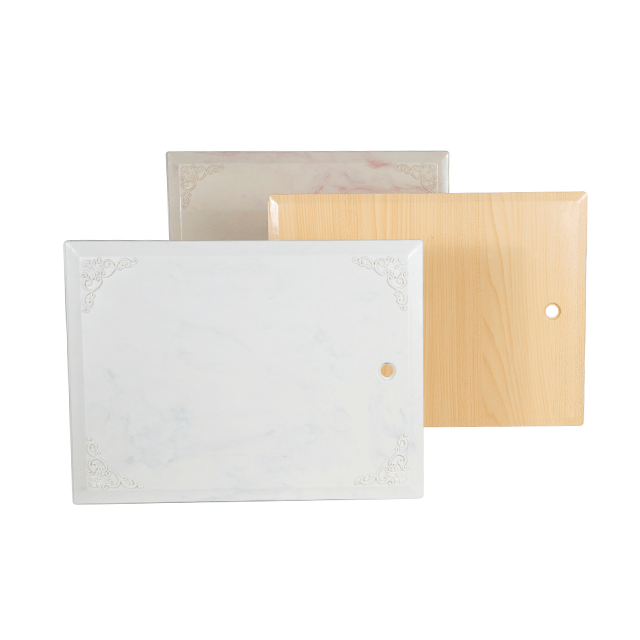
Fiberglass is a versatile material widely used in construction. Its unique properties make it suitable for various applications, ranging from structural components to decorative finishes. Let’s explore how fiberglass is utilized across different aspects of construction.
Fiberglass plays a vital role in creating robust structural components. Here are some key applications:
● Roof Systems
Fiberglass roofing panels are lightweight yet strong, providing excellent protection against the elements. They can also be used for skylights that allow natural light into buildings, enhancing aesthetics and energy efficiency. In addition, fiberglass green roofs support vegetation, promoting sustainability.
● Wall Systems
Fiberglass composite wall panels offer durability and insulation. These panels are commonly used in curtain wall systems, which provide a sleek, modern appearance while allowing for large glass surfaces. The lightweight nature of these materials simplifies installation and reduces structural load.
● Flooring Systems
Fiberglass is also used in flooring applications, including anti-slip surfaces. This feature is crucial in areas where safety is paramount, such as commercial kitchens and industrial facilities. Fiberglass flooring is easy to maintain and can withstand heavy foot traffic.
Structural Component | Description |
Roof Systems | Panels, skylights, green roofs |
Wall Systems | Composite panels, curtain walls |
Flooring Systems | Anti-slip surfaces, durable flooring |
In infrastructure projects, fiberglass proves invaluable. Its applications include:
● Pipes
Fiberglass pipes are commonly used in water and sewage systems. They resist corrosion and can handle high pressure, making them a reliable choice for municipal projects.
● Reinforcement
Fiberglass composites reinforce bridges and tunnels. They enhance structural integrity while being lightweight, which is essential for large-scale civil engineering projects.
● Protective Structures
Fiberglass tanks and barriers provide protection in various settings, including chemical storage and flood control. Their durability ensures long-lasting performance in challenging environments.
Fiberglass also shines in decorative applications, enhancing both aesthetics and functionality:
● Architectural Features
Fiberglass is used to create stunning columns, moldings, and sculptures. These elements can elevate the design of any building, providing a sophisticated look.
● Facades
Fiberglass reinforced concrete (GRC) is popular for facades. It allows for intricate designs while maintaining strength and durability, making it ideal for modern architectural styles.
Fiberglass is well-known for its insulation properties, crucial in construction:
● Thermal Insulation
It provides excellent thermal insulation in walls and roofs, helping maintain comfortable indoor temperatures. This feature contributes to energy efficiency and cost savings.
● Acoustic Panels
Fiberglass is also used in acoustic panels, which effectively reduce noise in buildings. These panels are essential in theaters, offices, and residential spaces where sound control is important.
Beyond construction, fiberglass applications extend to multiple industries:
● Automotive
In the automotive sector, fiberglass is used for car body panels and interior components. Its lightweight nature helps improve fuel efficiency.
● Marine
Fiberglass is widely used in boat and yacht construction. It offers strength and resistance to water damage, ensuring longevity in marine environments.
● Electrical
In the electrical industry, fiberglass serves as insulation material for wiring and components. Its heat resistance and non-conductive properties make it a safe choice for electrical applications.
Industry | Application |
Automotive | Car body panels, interior parts |
Marine | Components for boats and yachts |
Electrical | Insulation materials for wiring |
Fiberglass's diverse applications in construction and beyond showcase its importance as a modern material. Its unique properties enhance safety, efficiency, and design, making it a preferred choice in various projects.
Fiberglass has become a popular choice in construction due to its numerous advantages over traditional materials. Its unique properties not only enhance the efficiency of building projects but also contribute to sustainability. Let’s explore the benefits of fiberglass in detail.
When comparing fiberglass to traditional materials, several key advantages emerge:
● Cost-Effectiveness in the Long Term
While the initial investment in fiberglass may be higher than some conventional materials, its durability and low maintenance requirements lead to significant cost savings over time. Fiberglass does not corrode or rust, reducing replacement and repair costs associated with traditional materials.
● Reduced Weight Leading to Easier Handling and Installation
One of the standout features of fiberglass is its lightweight nature. This property simplifies transportation and installation, allowing for quicker project completion. Workers can handle fiberglass components more easily, which reduces labor costs and minimizes the risk of injury on site.
● Resistance to Environmental Factors
Fiberglass excels in resisting moisture, chemicals, and UV radiation. Unlike wood, which can rot, or metal, which can rust, fiberglass maintains its integrity even in harsh environments. This resistance extends the lifespan of structures, making it a reliable choice for various applications.
Advantage | Description |
Cost-Effectiveness | Lower long-term maintenance and replacement costs |
Reduced Weight | Easier handling and faster installation |
Environmental Resistance | Maintains integrity against moisture, chemicals, and UV rays |
Fiberglass not only benefits individual projects but also supports broader sustainability goals:
● Recyclability and Lower Carbon Footprint
Many fiberglass products can be recycled at the end of their life cycle. This recyclability reduces waste and contributes to a lower carbon footprint compared to traditional materials, which often end up in landfills.
● Energy Efficiency Through Insulation Properties
Fiberglass is an excellent insulator, helping to maintain comfortable indoor temperatures. This energy efficiency translates to lower heating and cooling costs, further enhancing its sustainability credentials. By reducing energy consumption, fiberglass contributes to a greener built environment.
The performance characteristics of fiberglass make it a standout choice for construction:
● High Tensile and Compressive Strength
Fiberglass exhibits impressive strength-to-weight ratios, providing high tensile and compressive strength. This makes it suitable for structural applications where durability and load-bearing capacity are essential.
● Resistance to Aging and Degradation
Unlike many traditional materials, fiberglass does not easily degrade over time. It resists aging effects such as cracking, fading, and brittleness, ensuring that structures remain safe and aesthetically pleasing for years. This longevity reduces the need for frequent repairs or replacements, adding to its cost-effectiveness.
Performance Characteristic | Description |
High Strength | Excellent tensile and compressive strength |
Resistance to Aging | Maintains integrity and appearance over time |
Fiberglass stands out as a superior material choice in construction, offering cost savings, sustainability benefits, and exceptional performance. Its unique properties make it an ideal option for modern building projects, ensuring durability and efficiency in various applications.
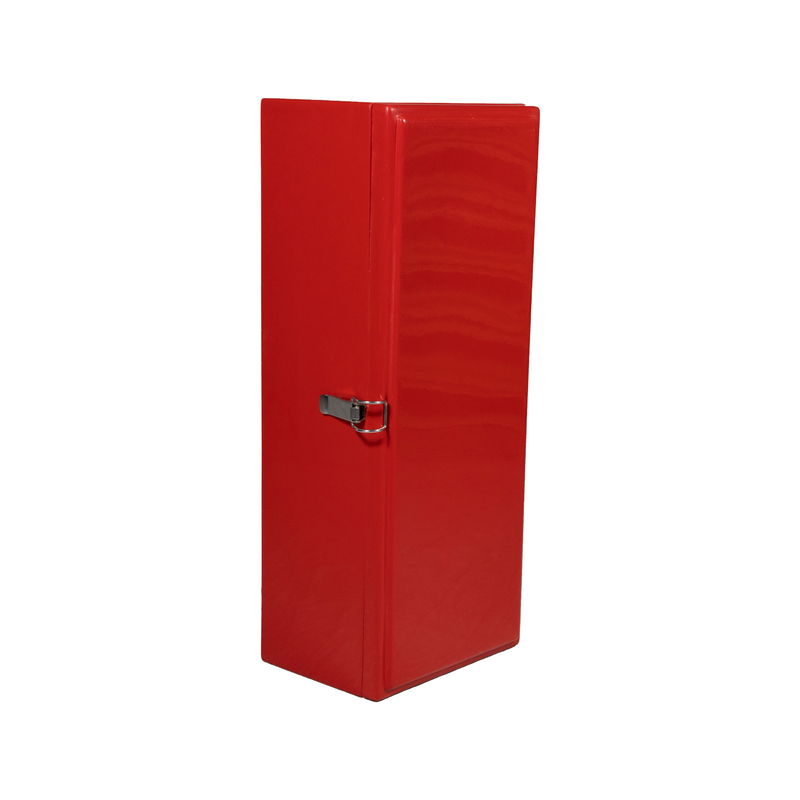
As the construction industry evolves, fiberglass is increasingly becoming a focal point for innovation and sustainability. Emerging trends highlight the material's versatility and its potential to shape the future of building practices. Let’s delve into these exciting developments.
Fiberglass is at the forefront of several emerging trends that promise to enhance its application in construction:
● Advances in Composite Materials for Enhanced Performance
The development of advanced composite materials is revolutionizing how fiberglass is used. Innovations in resin technology and fiber reinforcement are leading to stronger, lighter, and more durable products. These advancements allow fiberglass to be used in more demanding applications, such as high-rise buildings and infrastructure projects.
● Integration of Smart Technology in Fiberglass Structures
The integration of smart technology into fiberglass structures is gaining traction. For instance, sensors embedded within fiberglass components can monitor structural integrity and environmental conditions in real-time. This capability enhances safety and maintenance, allowing for proactive management of building health.
Trend | Description |
Advanced Composites | Stronger and lighter materials for demanding applications |
Smart Technology Integration | Sensors for real-time monitoring of structures |
The construction industry is adapting to include fiberglass in more sustainable and innovative ways:
● Increased Adoption in Green Building Practices
As sustainability becomes a priority, fiberglass is increasingly incorporated into green building practices. Its recyclability and energy efficiency align well with eco-friendly initiatives. Many architects and builders are now specifying fiberglass in projects aiming for LEED certification or other green standards.
● Growth in Custom Applications and Designs
The versatility of fiberglass allows for customized applications and designs. From unique architectural features to tailored structural components, fiberglass can be molded into various shapes and sizes. This flexibility not only enhances aesthetic appeal but also meets specific project requirements, making it a favorite among designers and architects.
Industry Evolution | Description |
Green Building Adoption | Supports eco-friendly initiatives and sustainability goals |
Custom Applications | Allows for unique designs and tailored structural solutions |
The future of fiberglass in construction looks promising, driven by technological advancements and a growing emphasis on sustainability. As the industry continues to innovate, we can expect to see fiberglass playing an even more significant role in shaping modern buildings and infrastructure.
Fiberglass plays a crucial role in modern construction. Its lightweight nature, durability, and resistance to environmental factors make it a preferred choice. Key points include its cost-effectiveness, sustainability benefits, and innovative applications.
Looking ahead, fiberglass will continue to evolve, integrating smart technologies and supporting green building practices. We encourage you to consider fiberglass for your future construction projects to leverage its many advantages.
A: Fiberglass is made from glass fibers and resin, offering excellent strength and lightweight properties compared to other composites like carbon fiber, which is stronger but more expensive.
A: Yes, fiberglass is safe, non-toxic, and resistant to rot, corrosion, and pests, making it suitable for various construction applications.
A: Maintenance involves regular cleaning and inspection for damage, with repairs typically requiring minimal effort due to fiberglass's durability.
A: Yes, fiberglass withstands extreme temperatures, moisture, and UV exposure, making it ideal for diverse climates.
A: Ensure proper alignment, use appropriate fasteners, and follow manufacturer guidelines for optimal performance and safety.
A: Fiberglass products must meet industry standards like ASTM and ISO for quality, safety, and performance in construction applications.
