


Views: 0 Author: Site Editor Publish Time: 2024-01-18 Origin: Site


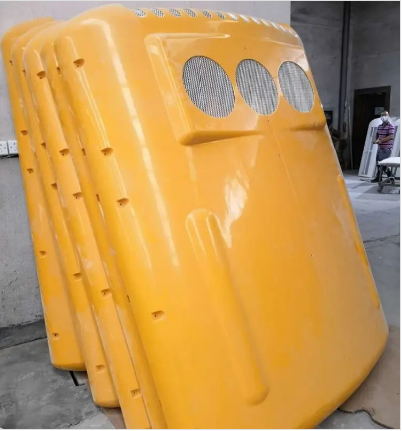
When it comes to creating lightweight and durable parts for the automotive industry, automotive fiberglass emerges as the perfect solution. With its numerous advantages and wide range of applications, automotive fiberglass has become a popular choice among manufacturers. In this article, we will explore the advantages of automotive fiberglass, as well as delve into its various applications in the automotive sector. From improved fuel efficiency to enhanced strength and versatility, automotive fiberglass offers a host of benefits that make it an ideal material for creating high-quality and efficient automotive parts. Whether it's for exterior body panels, interior components, or structural elements, automotive fiberglass has proven to be a reliable and cost-effective solution for meeting the industry's demands. Let's dive into the world of automotive fiberglass and discover why it has become a go-to material for lightweight and durable automotive parts.
Automotive fiberglass is gaining popularity in the automotive industry due to its numerous advantages. One of the key advantages of using fiberglass products in the automotive sector is its lightweight nature. Fiberglass is a composite material made up of fine glass fibers embedded in a polymer matrix. This composition makes it extremely light yet strong, making it an ideal choice for car manufacturers.
The lightweight nature of automotive fiberglass offers several benefits. Firstly, it improves fuel efficiency. As fiberglass is lighter than traditional metal materials, vehicles built with fiberglass components require less energy to move, resulting in improved fuel economy. This not only helps reduce carbon emissions but also saves drivers money at the pump.
In addition to being lightweight, automotive fiberglass is also highly durable. It has excellent resistance to corrosion, impact, and extreme temperatures. This durability ensures that fiberglass car bodies can withstand harsh environmental conditions and remain intact for a longer period. As a result, fiberglass car bodies require less maintenance and have a longer lifespan compared to their metal counterparts.
Another advantage of using automotive fiberglass is its versatility. Fiberglass can be molded into various shapes and forms, allowing car designers to create unique and aerodynamic designs. This flexibility in design opens up endless possibilities for car manufacturers to create visually appealing and stylish vehicles.
Furthermore, fiberglass production, commonly known as FRP (Fiber Reinforced Plastic) production, is a cost-effective process. The raw materials required for fiberglass production are readily available and relatively inexpensive. This makes fiberglass an affordable option for car manufacturers, enabling them to produce vehicles at a lower cost without compromising on quality.
When it comes to safety, fiberglass car bodies have proven to be reliable. The strong and rigid nature of fiberglass provides enhanced structural integrity, offering better protection to occupants in the event of a collision. Fiberglass also has the ability to absorb and distribute impact forces, reducing the risk of serious injuries.
Automotive fiberglass has revolutionized the manufacturing industry with its wide range of applications. From enhancing the structural integrity of vehicles to improving their aesthetic appeal, fiberglass products have become an integral part of the automotive sector.
One of the primary uses of automotive fiberglass is in the production of FRP (Fiber Reinforced Plastic) components. FRP production involves combining fiberglass with a polymer resin, resulting in a lightweight yet durable material that can be molded into various shapes. This versatile material is commonly used in the manufacturing of car bodies, providing a cost-effective alternative to traditional metal construction.
Fiberglass car bodies offer numerous advantages over their metal counterparts. Firstly, they are significantly lighter, which improves fuel efficiency and overall performance. Additionally, fiberglass is highly resistant to corrosion, making it a long-lasting solution for automotive applications. The material's flexibility allows for intricate designs and curves, enabling car manufacturers to create sleek and aerodynamic vehicles.
Furthermore, fiberglass car bodies can be easily customized and modified according to individual preferences. This flexibility allows car enthusiasts to personalize their vehicles without compromising structural integrity. Whether it's adding unique features or implementing eye-catching paint jobs, fiberglass provides endless possibilities for automotive customization.
Apart from car bodies, fiberglass finds applications in various automotive components. From bumpers and fenders to interior panels and dashboards, fiberglass offers a lightweight and durable alternative to traditional materials. Its excellent strength-to-weight ratio ensures the safety and longevity of these components while reducing the overall weight of the vehicle.
Automotive fiberglass offers numerous advantages such as lightweight nature, durability, versatility, cost-effectiveness, and safety features, making it a preferred choice for car manufacturers. Its popularity is increasing in the automotive industry, leading to more innovative designs and improved fuel efficiency. Fiberglass has diverse applications in the production of FRP components and car bodies, transforming the automotive industry. Its properties, including being lightweight, durable, and customizable, play a crucial role in enhancing the performance and aesthetics of modern vehicles. Fiberglass has become an indispensable material in the automotive sector, assisting in improving fuel efficiency and allowing for creative customization.
