


Views: 0 Author: Site Editor Publish Time: 2026-10-12 Origin: Site


Delays in composite manufacturing often stem from a misalignment between engineering expectations and production realities. Moving from prototyping to production requires strict planning around tooling creation, material batching, and press scheduling. You cannot simply flip a switch and expect thousands of identical components overnight. Physical constraints dictate every step of the manufacturing lifecycle. This guide breaks down the exact variables governing production schedules and minimum order quantities. We explore how material shelf lives, press calibration limits, and complex part geometries dictate your timeline. By understanding these core drivers, you can establish realistic project milestones and avoid costly bottlenecks. This foundational knowledge helps procurement and engineering teams confidently evaluate and onboard a reliable fiberglass compression molding supplier. You will learn to navigate setup costs, optimize mold designs, and streamline your transition to full-scale manufacturing effectively.
Understanding why suppliers enforce Minimum Order Quantities (MOQs) requires a look at the factory floor. Production volumes depend heavily on upfront labor, machine preparation, and raw material limitations. When you grasp these variables, you can negotiate better terms and align your designs with manufacturing realities.
Every production run begins with an intensive setup phase. Operators must securely mount heavy steel molds into hydraulic presses. They then connect heating elements and wait for the mold surfaces to reach precise temperature targets. Technicians also spend hours calibrating pressure parameters to ensure uniform material flow. This entire setup process requires highly skilled labor and occupies valuable machine time before a single part is produced. Low production volumes simply cannot absorb these upfront costs mathematically. Manufacturers must spread these fixed labor and machine-hour expenses across a larger batch of parts to keep the unit price economically viable for buyers.
The raw materials themselves dictate hard MOQ limits. Sheet Molding Compound (SMC) and Bulk Molding Compound (BMC) are the primary materials used in this process. Chemical plants compound these thermoset materials in bulk batches. Once mixed, the reactive resins begin to slowly cure, giving the material a strict shelf life. Facilities cannot store SMC or BMC indefinitely. Suppliers must purchase raw materials in minimum batch sizes from their compounding partners to ensure freshness and structural integrity. They directly pass this minimum material batch constraint onto the buyer, establishing a baseline MOQ to avoid wasting expired material.
Engineers must evaluate when a fiberglass compression molding part becomes the most cost-effective choice. Low-volume projects often benefit from open molding or 3D printing due to negligible tooling costs. High-volume runs justify the expensive steel tooling required for compression molding. You reach the break-even point when the lowered per-part cost offsets the high initial tooling investment. This transition typically happens around the 500-unit mark.
Molding Method Economic Comparison Chart
| Molding Method | Initial Tooling Investment | Per-Part Production Cost | Typical MOQ Range | Ideal Production Volume |
|---|---|---|---|---|
| Open Molding (Hand Layup) | Low (Fiberglass/Wood molds) | High (Labor intensive) | 1 - 50 units | Low Volume / Prototyping |
| Compression Molding | High (Hardened Steel molds) | Low (Automated cycle) | 500 - 1,000+ units | Medium to High Volume |
| Injection Molding | Very High (Complex Steel molds) | Very Low (Highly automated) | 5,000+ units | Mass Production |
Project managers often underestimate the time required to move from an approved CAD file to a finished composite part. The manufacturing process follows a strict, gated timeline. You cannot compress the physical limits of steel machining and chemical curing.
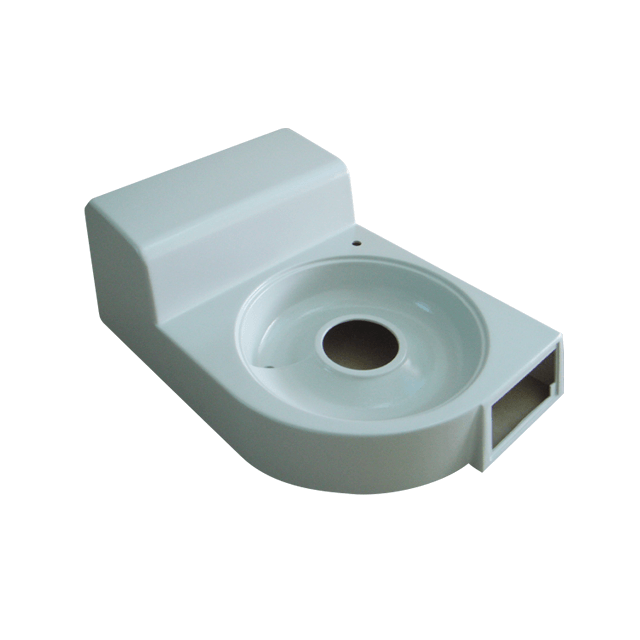
Your engineering choices directly dictate the manufacturing timeline. Simple geometries process quickly, while complex requirements introduce significant delays. Understanding these impacts helps you balance design intent with production speed.
Larger composite parts require immense force to compress the material evenly across the mold cavity. High-glass-content materials similarly demand elevated pressures to ensure proper fiber wet-out and structural integrity. Pressures for these components often range from 500 to well over 2,500 PSI. Finding an available high-tonnage press in a busy supplier's schedule can delay your lead times. If you dictate strict fiberglass compression molding specifications regarding material density, you must account for specialized equipment scheduling.
Part geometry dramatically alters mold creation speed. Features like undercuts, side-actions, or molded-in inserts force designers to create complex mold mechanisms. These moving parts within the steel tool add weeks to the machining and assembly phases. Furthermore, complex molds slow down the per-part cycle time during full production. Operators spend more time loading inserts and ensuring moving components align correctly before closing the press.
A part is rarely finished the moment it leaves the mold. You must factor in additional time for secondary operations like precision routing, drilling mounting holes, or applying paint. If your product requires a highly specified Class-A surface finish, operators must extend the in-mold cure times. They must also perform meticulous mold polishing between cycles to prevent surface defects. These extra steps add valuable days to your final delivery schedule.
Choosing the right manufacturing partner mitigates schedule risks. You need a structured approach to audit potential suppliers before committing capital to expensive steel tooling.
Do not confuse a supplier's overall facility size with their capability to handle your specific project. You must actively audit their equipment list. Verify their press tonnage range and maximum platen sizes against your CAD models. A supplier might have massive capacity for small parts but lack the heavy-duty presses required for large automotive panels. Ask for concrete documentation showing their available machine hours for the upcoming quarter.
Assess the risks associated with mold creation. Many manufacturers outsource tool making to third-party machine shops to cut costs. This adds logistical delays when the mold needs modifications. Suppliers boasting in-house tooling capabilities typically offer faster T1 trials. Their internal engineers can perform rapid mold modifications and tuning without shipping heavy steel blocks back and forth across the country. This integration drastically reduces overall lead times.
Compliance documentation proves a supplier operates professionally. Look for current ISO certifications. Request examples of their material lot traceability systems. If a field failure occurs, they must trace the exact SMC batch used for your components. Evaluate their strict FAI protocols. A trustworthy supplier will happily share their inspection reports and dimensional verification procedures.
You have strategic options to manipulate pricing and timelines without compromising product quality. Smart engineering and clever procurement negotiations yield the best results.
Custom resin blends introduce severe delays. Chemical suppliers require massive minimum orders to formulate proprietary SMC batches. By opting for widely used, off-the-shelf SMC or BMC formulations, you bypass raw material MOQs entirely. Standard materials sit readily available in supplier inventories. This choice accelerates your production start date and lowers your financial risk during initial runs.
If your assembly requires multiple small composite components, consolidate them into a single tool. Design family molds that produce several different parts per press cycle. Alternatively, use multi-cavity tooling to produce multiple identical parts simultaneously. This strategy justifies higher initial MOQs because you distribute the setup costs across more usable components, effectively lowering your per-part cost.
Procurement teams can negotiate creatively to meet high MOQs while protecting cash flow. Work with suppliers to execute blanket orders. You officially order the high MOQ required to secure the bulk price break. However, you stipulate that the manufacturer releases the inventory in scheduled, lower-volume shipments over six to twelve months. This strategy keeps your warehouse lean while satisfying factory minimums.
Realistic planning for fiberglass compression molding requires accepting front-loaded timelines for tooling creation and aligning your order volumes with chemical material realities. You cannot rush the physics of steel machining or thermoset curing. By understanding how press setup costs, part complexity, and material shelf lives drive production rules, your team can build accurate project schedules.
Prioritize clear DFM collaboration early in the RFQ process. Open dialogue regarding draft angles and tolerances helps avoid expensive tool re-cuts and disastrously delayed T1 trials. Do not treat suppliers as mere vendors; engage them as technical partners during the design phase.
Take action today to streamline your manufacturing rollout. Prompt your engineering team to finalize tolerances, and submit your CAD files alongside your material specifications for an accurate, timeline-backed DFM review and quote.
A: Usually 500 to 1,000 units, though large, heavy parts (like automotive panels) may have lower MOQs due to high material usage per unit.
A: Production runs can sometimes be expedited, but steel tooling creation has a hard physical limit. Soft tooling isn't viable for the pressures required in fiberglass compression.
A: Molds must be machined from hardened steel to withstand high tonnage and abrasive fiberglass, requiring precision CNC milling, polishing, and heat treatment.
A: Simplify the part geometry (remove undercuts, ensure uniform wall thickness), allow for generous tolerances where possible, and use standard mold bases.
